
PEX pipes typically last 40 to 50 years or longer when properly installed and maintained. Manufacturers warranty the material for 25 years, but real-world performance shows these pipes often exceed expectations. Therefore, it offers excellent long-term durability for residential plumbing systems at a fraction of copper’s cost.
If you’re considering repiping your home, understanding this lifespan helps you make a smart investment decision. This flexible piping material has revolutionized plumbing over the past 30 years. Consequently, millions of homes now rely on it for their daily water needs.
What Exactly Is PEX Piping?
PEX stands for cross-linked polyethylene. Manufacturers create PEX by linking polyethylene molecules together through a chemical process. This cross-linking makes the material incredibly strong and flexible compared to regular plastic pipes.
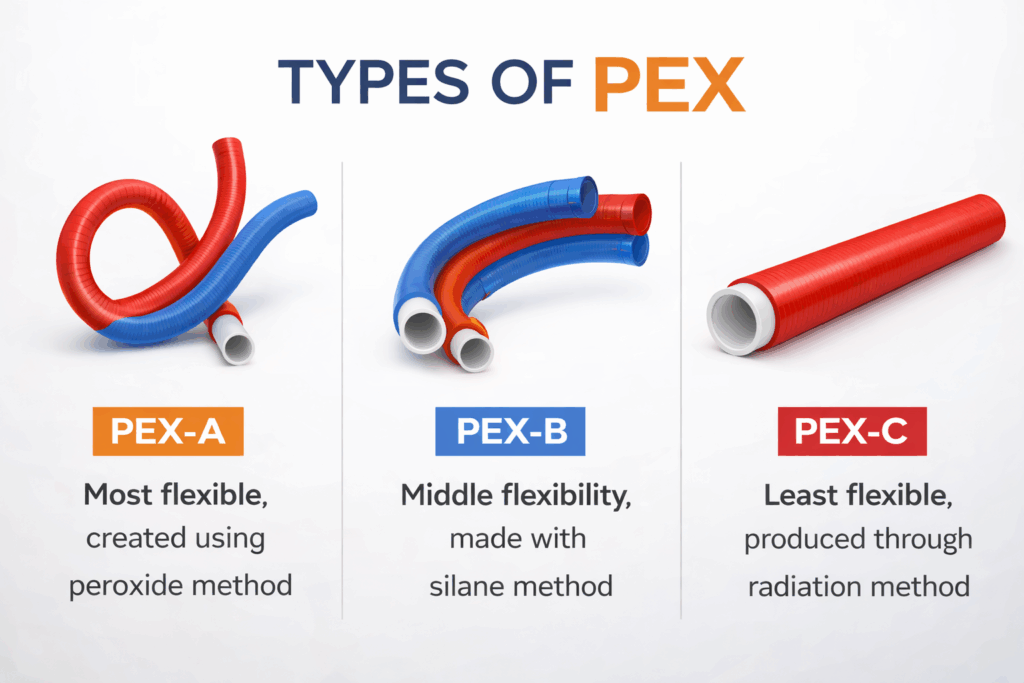
PEX comes in three main types:
- PEX-A: Most flexible, created using peroxide method
- PEX-B: Middle flexibility, made with silane method
- PEX-C: Least flexible, produced through radiation method
Additionally, PEX pipes come color-coded for easy identification. Red indicates hot water lines, blue marks cold water lines, and white works for either application. However, the color doesn’t affect performance or lifespan.
How Long Does PEX Last Compared to Other Pipes?
PEX lifespan compares favorably to other common piping materials. Copper pipes last 50-70 years traditionally, giving them a slight edge in longevity. Nevertheless, PEX offers 40-50+ years of service at significantly lower cost.
Here’s how different pipe materials stack up:
- Copper: 50-70 years (expensive, prone to corrosion in some water)
- PEX: 40-50+ years (affordable, corrosion-resistant)
- CPVC: 40-50 years (brittle, can crack)
- Galvanized steel: 20-50 years (corrodes, restricted flow over time)
- PVC: 25-40 years (for drain lines only, not potable water)
Moreover, PEX maintains consistent performance throughout its lifespan. Copper develops pinhole leaks and corrosion as it ages. Subsequently, copper’s effective lifespan in corrosive water conditions drops to 20-30 years in some areas.
Factors That Affect How Long Pipes Lasts
Installation quality dramatically impacts PEX longevity. Professional installers who follow manufacturer guidelines ensure pipes reach their full lifespan potential. Furthermore, proper support, correct fittings, and appropriate expansion loops all contribute to lasting performance.
UV light exposure represents PEX’s biggest weakness. Direct sunlight breaks down the material rapidly, causing brittleness and failure. Therefore, it should never run outdoors or in areas with UV exposure. Indoor installations protected from sunlight face no such concerns.
Water quality also plays a role in lifespan. Highly chlorinated water can slowly degrade PEX over decades. However, most municipal water supplies fall within safe chlorine levels. Additionally, PEX-B shows slightly better chlorine resistance than PEX-A.
Key factors affecting durability include:
- Installation workmanship and technique
- UV light exposure (degrades quickly)
- Water temperature extremes
- Chlorine concentration in water
- Physical stress or damage during construction
- Fitting quality and compatibility
The Plastic Pipe and Fittings Association provides comprehensive technical information about PEX performance and standards in residential applications.
PEX vs. Copper: The Longevity Debate
Many homeowners wonder if PEX truly matches copper’s legendary durability. While copper has a longer track record, this modern material offers distinct advantages that offset its slightly shorter lifespan. First, it costs 30-50% less than copper for materials and installation combined.
The flexible piping also resists freezing better than copper. The material expands when water freezes inside, then returns to normal size after thawing. Conversely, frozen copper pipes burst and require immediate replacement. Therefore, this piping performs better in attics, crawl spaces, and other areas prone to occasional freezing.
Corrosion resistance gives it another advantage over copper. Acidic or aggressive water eats through copper over time, creating pinhole leaks and contaminating your water with copper particles. Meanwhile, these modern pipes remain completely unaffected by water chemistry. Subsequently, they maintain full flow capacity throughout their entire lifespan.
Installation speed matters for homeowners too. Plumbers install the system 3-4 times faster than copper using simple crimping or expansion tools. This faster installation translates to lower labor costs and less disruption to your home. Additionally, the flexibility means fewer joints and potential leak points compared to rigid copper.
Real-World PEX Performance Data
This piping has served in European plumbing systems since the 1960s. These installations now exceed 50 years old with minimal failures. Furthermore, American homes that adopted the technology throughout the 1990s and early 2000s show excellent performance 25-30 years later.
Insurance companies view PEX favorably compared to problematic pipe materials. Polybutylene and galvanized steel cause frequent claims, while this modern piping generates very few leak-related insurance issues. Consequently, some insurers offer better rates for homes with these updated plumbing systems.
Warranty coverage provides insight into manufacturer confidence. Most manufacturers offer 25-year warranties on their products. However, they design and test the material for 50+ year service lives. Therefore, the warranty period represents conservative estimates rather than expected failure points.
Common Problems and How to Avoid Them
Improper installation causes most early failures within the first few years. Kinked pipes restrict water flow and create stress points. Over-tightened fittings crack the pipe material. Subsequently, these installation errors lead to premature failures that proper technique prevents entirely.
Rodent damage occasionally affects pipes in crawl spaces and attics. Mice and rats can chew through the material seeking water. Nevertheless, this problem affects all plastic piping equally and occurs rarely in finished spaces. Installing physical barriers around exposed sections prevents most rodent issues.
Incompatible fittings create another failure point. Mixing brass, copper, and plastic fittings without proper adapters causes galvanic corrosion. Additionally, using incorrect crimp rings or expansion tools leads to loose connections over time. Therefore, professional installation using manufacturer-approved fittings ensures lasting performance.
Warning signs of problems include:
- Visible kinks or sharp bends in pipes
- Discolored or brittle-looking pipe sections
- Small leaks at connection points
- Reduced water pressure over time
- UV-damaged sections near windows or doors
If you’re considering updating your home’s plumbing with PEX, Repipe Solutions Inc’s whole house repiping services ensure proper installation by experienced professionals who understand how to maximize lifespan and performance.
Does PEX Type Matter for Longevity?
PEX-A, PEX-B, and PEX-C all offer similar lifespans under normal conditions. However, subtle differences exist in their properties and performance characteristics. PEX-A shows the best freeze resistance and most flexibility for tight installations.
PEX-B provides slightly better chlorine resistance, potentially extending lifespan in heavily chlorinated water. Additionally, PEX-B costs less than PEX-A while maintaining excellent durability. Therefore, many professional plumbers prefer PEX-B for whole-house repiping projects.
PEX-C represents the least expensive option but offers reduced flexibility. This stiffness makes installation more challenging in tight spaces. Furthermore, PEX-C shows slightly lower burst pressure ratings. Nevertheless, all three types meet industry standards and perform well in residential applications.
The connection method affects longevity regardless of PEX type:
- Expansion (PEX-A): Creates strongest, most reliable connections
- Crimp (all types): Proven reliable, requires proper tools
- Clamp (all types): Easy installation, good performance
- Push-fit (all types): Convenient but most expensive
Consequently, installation quality matters more than minor differences between PEX types. A professional installer using any PEX type will deliver a system lasting 40-50+ years.
Maintenance Tips to Maximize Lifespan
This piping requires minimal maintenance compared to other materials. However, simple precautions extend its already impressive lifespan. First, maintain consistent water pressure below 80 PSI using a pressure regulator if necessary. Excessive pressure stresses fittings and connection points unnecessarily.
Protect exposed sections from UV light in any area receiving direct sunlight. Even brief exposure through windows can degrade the material over months. Therefore, wrap exposed sections with foam insulation or UV-resistant tape. Better yet, route pipes through walls and ceilings away from all light exposure.
Monitor your water heater temperature settings. Extremely hot water (above 180°F) can reduce lifespan over time. Most manufacturers rate these pipes for continuous use at 200°F, but maintaining lower temperatures extends durability. Additionally, lower water heater settings save energy and prevent scalding.
Basic maintenance practices include:
- Annual visual inspection of exposed pipes
- Checking connection points for moisture
- Maintaining proper water pressure
- Protecting pipes from physical damage during renovations
- Insulating pipes in unconditioned spaces
- Addressing leaks immediately when discovered
Furthermore, avoid storing chemicals or solvents near the piping. Some chemicals can permeate through the pipe walls and contaminate your water. Therefore, keep household cleaners, gasoline, and pesticides away from areas with exposed plumbing.
Is PEX the Right Choice for Your Home?
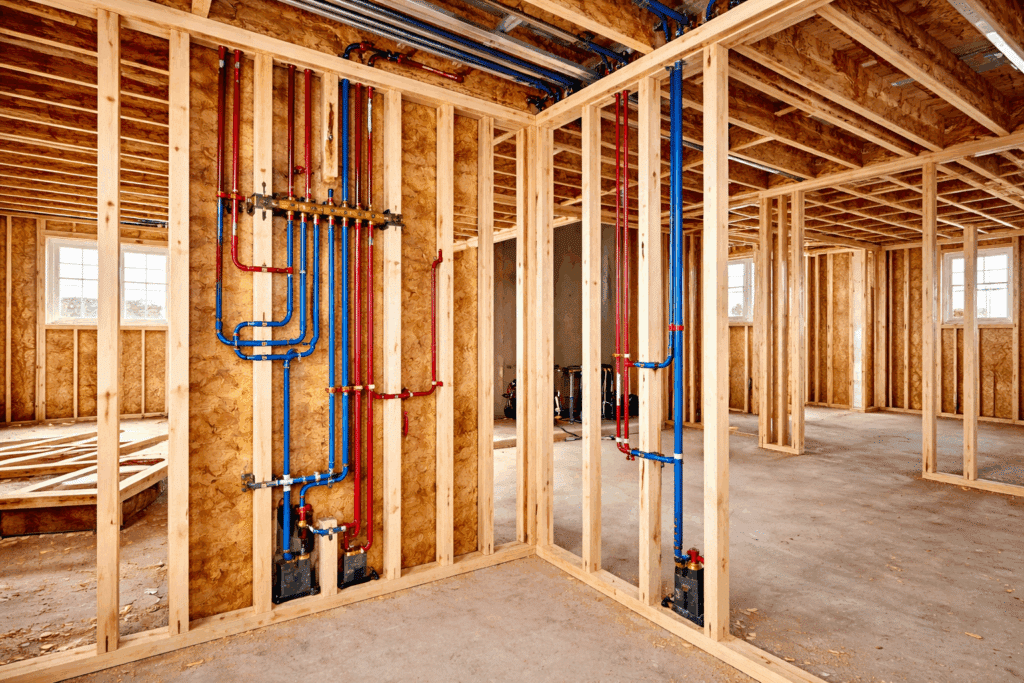
PEX makes excellent sense for most residential repiping projects. The combination of 40-50+ year lifespan, lower cost, and faster installation creates compelling value. Moreover, PEX’s flexibility works perfectly in existing homes where routing rigid pipes proves difficult.
However, some situations favor copper instead. High-end custom homes sometimes use copper for prestige and traditional appeal. Outdoor applications absolutely require copper or other UV-resistant materials. Additionally, local building codes in some areas still restrict or prohibit PEX use.
Consider PEX when you want:
- Cost-effective whole-house repiping
- Faster installation with less wall damage
- Freeze-resistant pipes in vulnerable areas
- Corrosion-proof system in aggressive water
- Quiet water flow without pipe noise
- Flexibility for difficult routing situations
Conversely, consider alternatives if you have:
- Outdoor plumbing runs exposed to sunlight
- Extremely high water temperatures (over 180°F regularly)
- Local codes prohibiting PEX
- Personal preference for traditional copper
- Concerns about plastic materials in general
Making Your Decision
Understanding how long pipes lasts helps you invest confidently in your home’s plumbing system. With proper installation and basic care, PEX provides decades of reliable service. Furthermore, the cost savings compared to copper let you invest the difference in other home improvements.
Your home deserves a plumbing system that balances longevity, cost, and performance. PEX delivers on all three factors for most residential applications. Therefore, consulting with experienced repiping professionals ensures you get the right solution for your specific needs.
Get Expert Advice on PEX for Your Home
Choosing the right piping material impacts your home’s comfort and value for decades. The experienced team at Repipe Solutions Inc specializes in PEX installation and can help you understand if it’s the right choice for your specific situation. We’ve installed thousands of PEX systems throughout the area and understand exactly what it takes to maximize lifespan and performance.
Don’t trust your home’s plumbing to inexperienced installers who might compromise PEX’s excellent durability through poor workmanship. Professional installation ensures your PEX system reaches its full 40-50+ year potential without problems.
Contact Repipe Solutions Inc today for a free consultation about PEX repiping for your home. We’ll assess your current plumbing, explain your options clearly, and provide accurate estimates for complete repiping services. Your path to decades of worry-free plumbing starts with one simple conversation.