
Most standard homeowners insurance policies do not cover sewer line replacement. Insurance typically only pays for sewer line damage if it happens suddenly and results from a covered peril like fire, lightning, or a falling tree. Unfortunately, the most common causes of sewer line failure – wear and tear, tree root intrusion, and aging pipes – are specifically excluded from standard coverage.
This comes as a surprise to many Houston homeowners. According to Bankrate, nearly one in three homeowners incorrectly believe their standard policy covers service line damage.
What Does Standard Homeowners Insurance Cover?
Covered Causes of Sewer Line Damage
Your insurance may cover sewer line replacement if damage occurs from:
- Lightning strikes
- Fire or explosions
- Vandalism or malicious acts
- Falling objects that crush pipes
- Vehicle damage on your property
- Windstorms that knock down trees
- Weight of ice and snow causing collapse
However, these situations rarely cause sewer line damage. Most sewer line problems develop slowly over time.
What Standard Insurance Does NOT Cover
Insurance companies specifically exclude most common sewer line problems.
Therefore, you’ll pay out of pocket for damage from:
- Tree root intrusion
- Corrosion and rust
- Earthquakes or floods
- Freezing temperatures
- Ground settling or shifting
- Clogs from grease or debris
- Poor installation or maintenance
- Normal wear and tear Aging pipes (50+ years old)
In Houston, tree roots and aging cast iron pipes cause most sewer line failures. Unfortunately, standard policies exclude both issues.
How Much Does Sewer Line Replacement Cost in Houston?
Sewer line repairs and replacements are expensive. Most Houston homeowners pay between $3,000 and $15,000 for sewer line work.
The final cost depends on several factors:
- Pipe material: PEX costs less than copper
- Landscaping: Restoration adds $500 to $3,000
- Depth of line: Deeper pipes require more excavation
- Access issues: Difficult locations increase labor costs
- Permits: Houston requires permits for most sewer work
- Length of pipe: Repairs cost $55 to $250 per linear foot
Without insurance coverage, this expense comes entirely from your pocket. Additionally, emergency repairs often cost 10 to 20 times more than scheduled maintenance.
When Your Insurance WILL Pay
If damage happens under the right circumstances, your insurance may cover sewer lines under “other structures” coverage. This typically provides 10% of your dwelling coverage.
For example, if your home has $300,000 in dwelling coverage, you have $30,000 for other structures including sewer lines.
Real Coverage Examples Covered Scenario
A windstorm knocks down a large oak tree in your yard. The roots rip up and break your sewer line. Insurance covers the damage because a sudden windstorm caused it.
Not Covered Scenario
Tree roots slowly grow into your 40-year-old sewer line over five years. The line finally collapses. Insurance denies the claim because the damage developed gradually.
Once you understand what your policy will and won't cover, the next step is knowing what sewer line replacement actually costs in Houston — typically $2,000 to $10,000 — so you can budget for the out-of-pocket portion realistically.
Optional Coverage: Service Line Endorsement
Many insurance companies offer service line coverage as an add-on to your policy. This endorsement specifically protects underground utility lines including sewer pipes.
What Service Line Coverage Includes
Service line coverage typically covers damage from:
- Pest damage
- Ground settling
- Tree root intrusion
- Corrosion and rust
- Normal wear and tear
- Freezing temperatures
- Accidental breaks during excavation
Coverage usually ranges from $10,000 to $20,000. Most policies cost an extra $30 to $50 per year. Importantly, this coverage protects the actual sewer line. It pays for excavation, pipe replacement, and landscaping restoration.
Water Backup Coverage: A Different Protection
Water backup coverage is separate from service line coverage. Therefore, you may need both endorsements for complete protection.
Service Line vs. Water Backup Coverage
Service Line Coverage: Pays to repair or replace the damaged sewer pipe itself
Water Backup Coverage: Pays for damage inside your home when sewage backs up through drains
For example, imagine your sewer line breaks and sewage floods your basement. Service line coverage pays for the pipe repair. Water backup coverage pays for cleaning, drywall replacement, and damaged belongings.
Most Houston homeowners should consider both endorsements. They work together to provide comprehensive protection.
Houston-Specific Sewer Line Concerns
Houston’s climate and housing create unique sewer line challenges. Consequently, local homeowners face specific risks.
Common Houston Sewer Problems
Aging Cast Iron Pipes: Many Houston homes built before 1980 have cast iron sewer lines. These pipes typically last 50 to 70 years. Many are now failing due to age and corrosion.
Tree Root Intrusion: Houston’s warm, humid climate encourages aggressive root growth. Oak, willow, and magnolia trees commonly invade sewer lines seeking water.
Clay Soil Shifts: Houston’s expansive clay soil shifts with moisture changes. This movement can crack or separate sewer pipes over time.
Heavy Rainfall: Hurricane season brings intense rain that can overwhelm aging sewer systems. Backups become more common during storms.
If your Houston home was built before 1980, consider having your sewer line inspected. Similarly, homes with large trees nearby face higher risk of root damage.
How to Get Sewer Line Coverage
Adding sewer line protection to your insurance involves a few simple steps.
Step 1: Review Your Current Policy
First, contact your insurance agent. Ask specifically about service line coverage and water backup endorsements. Many homeowners already have partial coverage without realizing it.
Step 2: Compare Coverage Options
Different insurers offer varying coverage limits and deductibles. Therefore, compare:
- Separate deductibles
- Annual premium costs
- Exclusions and restrictions
- Coverage limits ($10,000 vs. $20,000)
Step 3: Consider Your Home’s Risk
Evaluate your specific situation:
- History of sewer problems
- Proximity to main sewer lines
- Large trees near your property
- Age of your home and sewer line
Older homes with mature trees benefit most from service line coverage.
Step 4: Add the Endorsement
Once you decide, your agent can add the endorsement immediately. Coverage typically begins within 30 days.
Alternative: Home Service Plans
If your insurance company doesn’t offer service line coverage, consider a home service plan. Additionally, some utility companies offer protection plans.
These plans function like warranties. You pay a monthly fee, typically $7 to $15. In return, the plan covers specific repairs including sewer lines.
However, read the fine print carefully. Most plans exclude pre-existing conditions. They also have waiting periods before coverage begins.
Signs Your Sewer Line Needs Attention
Catching sewer problems early saves money. Therefore, watch for these warning signs:
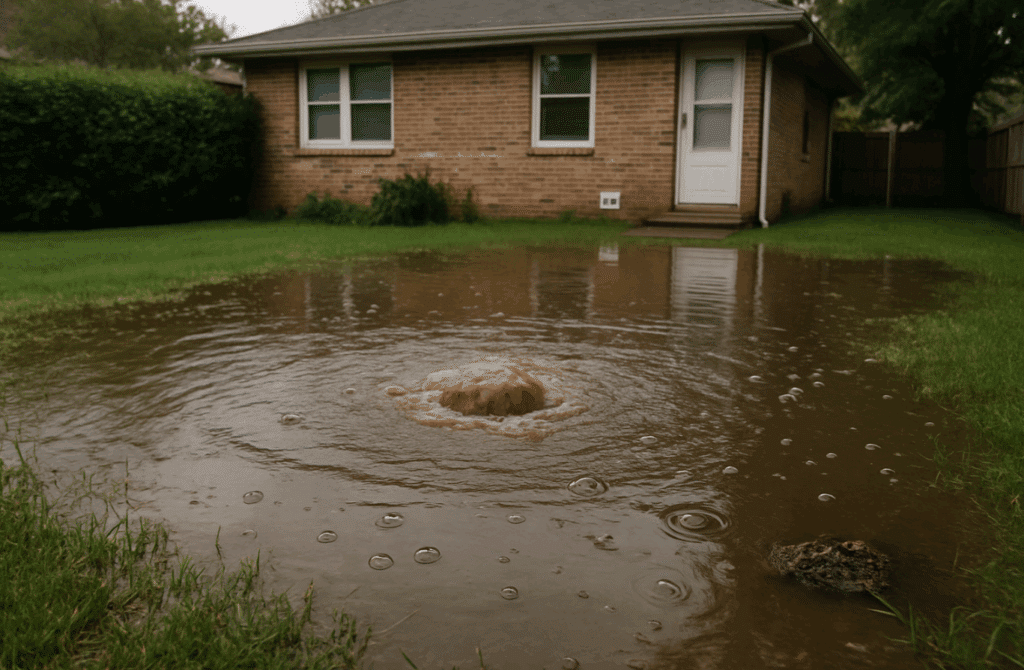
- Sewage odors in your yard
- Extremely green grass patches
- Slow drains throughout the house
- Unexplained wet spots in the lawn
- Sinkholes or depressions in the yard
- Gurgling sounds from toilets or drains
- Multiple drains backing up simultaneously
If you notice these symptoms, call a professional immediately. Early repairs cost far less than emergency replacements.
Protecting Your Investment
Proper maintenance reduces your risk of costly sewer line failures. Consequently, follow these prevention tips:
Schedule Regular Inspections: Have a camera inspection every 3 to 5 years. This identifies problems before they become emergencies.
Avoid Drain Chemicals: Chemical drain cleaners damage pipes over time. Instead, use natural methods or call a professional.
Watch What You Flush: Only flush toilet paper. Avoid “flushable” wipes, grease, and hygiene products.
Control Tree Growth: Plant new trees away from sewer lines. Remove problematic tree roots promptly.
Protect During Construction: Mark your sewer line before any digging projects.
What to Do When Problems Occur
If you discover sewer line damage, act quickly. First, document everything with photos and videos.
Then, contact your insurance company immediately to report the issue.
Next, get a professional inspection. A licensed plumber can determine the cause and extent of damage. This documentation proves essential for insurance claims.
Finally, keep all receipts and records. If your claim is approved, you’ll need proof of expenses.
The Bottom Line on Insurance Coverage
Standard homeowners insurance rarely covers sewer line replacement. Most common causes – aging, tree roots, and normal wear – are specifically excluded. However, you can add service line coverage for comprehensive protection.
For Houston homeowners, this additional coverage makes financial sense. Sewer line repairs cost $3,000 to $15,000 or more. Meanwhile, service line coverage costs only $30 to $50 per year.
Get Expert Sewer Line Help in Houston
Don’t wait until disaster strikes. If your Houston home has aging sewer lines or you’ve noticed warning signs, contact Repipe Solutions Inc today. Our experienced team provides camera inspections, sewer line repairs, and complete replacements throughout Harris, Galveston, Brazoria, Montgomery, Matagorda, and Fort Bend.
We work directly with insurance companies when coverage applies. Additionally, we offer 24-month 0% financing to make necessary repairs affordable. Call (832) 662-4288 for a free inspection and estimate.
Protecting your home starts with understanding your coverage options and maintaining your sewer system. Let us help you avoid costly surprises and keep your plumbing system running smoothly.