

Drinking filtered water can help reduce allergies by removing chlorine, heavy metals, and other contaminants that trigger immune responses in your body. Additionally, filtered water eliminates potential allergens and irritants that tap water often contains. Many people notice fewer allergy symptoms after switching to filtered water for their daily hydration needs.
If you suffer from seasonal allergies or year-round sensitivities, the water you drink might be making things worse. Tap water contains various chemicals and particles that can aggravate your immune system. Therefore, understanding the connection between water quality and allergy symptoms can help you breathe easier and feel better overall.
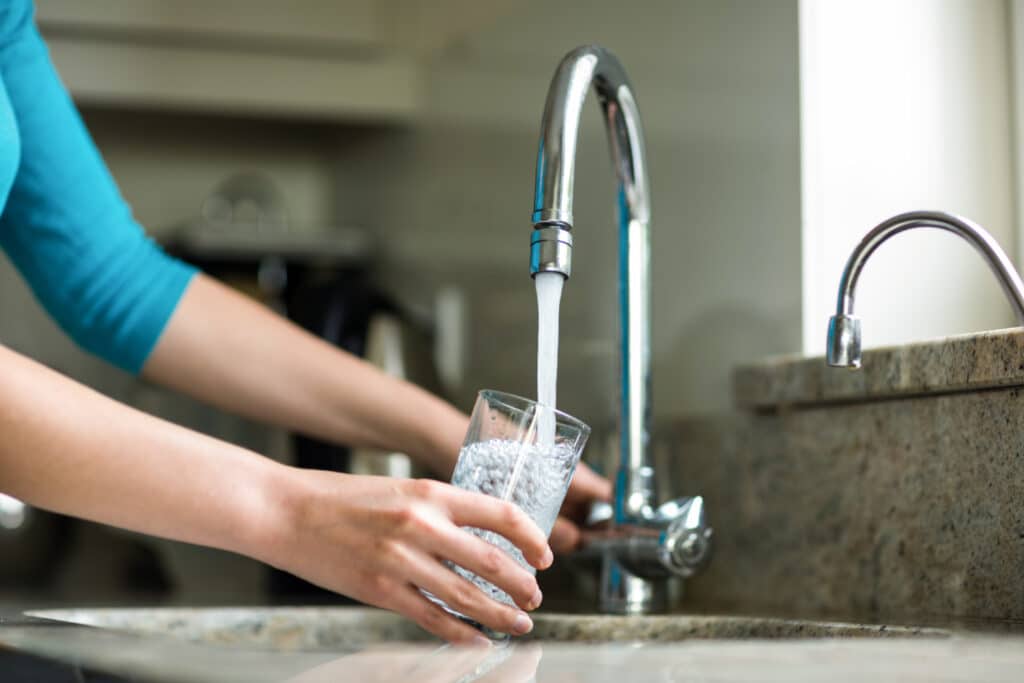
What's Actually in Your Tap Water?
Most municipal water supplies contain chlorine, which cities use to kill bacteria and viruses. However, chlorine can irritate your respiratory system and skin. Furthermore, tap water often contains traces of pesticides, industrial chemicals, and pharmaceutical residues that flow through treatment plants.
Your drinking water may also include:
- Heavy metals like lead and copper from aging pipes
- Fluoride compounds added during treatment
- Chloramine (a chlorine-ammonia mixture)
- Microplastics from environmental pollution
- Volatile organic compounds (VOCs)
Consequently, these substances can trigger or worsen allergy symptoms in sensitive individuals. The Centers for Disease Control and Prevention provides detailed information about water treatment processes and what remains in treated water.
The Science Behind Water Quality and Allergies
Your immune system reacts to foreign substances it perceives as threats. Meanwhile, chemicals in unfiltered water can cause inflammation throughout your body. This inflammation makes your immune system more reactive to typical allergens like pollen, dust, and pet dander.
Chlorine specifically can damage the beneficial bacteria in your gut. Since approximately 70% of your immune system lives in your digestive tract, poor gut health directly impacts allergy severity. In other words, the chlorine you drink each day might be weakening your body’s natural defenses.
Moreover, contaminants in tap water force your liver and kidneys to work harder. When these organs struggle with detoxification, your body becomes more sensitive to environmental allergens. This creates a cycle where water quality and allergy symptoms continuously affect each other.
How Filtered Water Reduces Allergy Triggers
Quality water filtration systems remove the specific contaminants that aggravate allergies. As a result, your body experiences less constant irritation and inflammation. Carbon filters excel at removing chlorine, VOCs, and many chemical compounds that burden your immune system.Reverse osmosis systems take filtration even further.
These systems eliminate:
- Up to 99% of dissolved solids
- Heavy metals and minerals
- Bacteria and viruses
- Pesticides and herbicides
- Pharmaceutical residues
Subsequently, drinking clean water allows your body to focus on genuine threats rather than constantly fighting water-borne irritants. Many allergy sufferers report clearer sinuses and reduced congestion within weeks of switching to filtered water.

Hydration and Allergy Relief
Proper hydration naturally helps your body manage allergies more effectively. Nevertheless, the quality of that hydration matters tremendously. Filtered water hydrates your cells without introducing additional irritants.
When you stay well-hydrated with clean water, your body produces thinner mucus. This thinner mucus flows more easily and traps fewer allergens in your sinuses and respiratory system. Conversely, dehydration creates thick mucus that holds onto pollen and other particles longer.
Clean water also supports your lymphatic system. This system removes toxins and allergens from your body tissues. Therefore, drinking plenty of filtered water helps flush out the substances that cause your symptoms.
The Chlorine Connection
- Drinking tap water directly
- Showering in chlorinated water
- Cooking with unfiltered water
- Inhaling chlorine vapor from hot water
Real Benefits People Experience
Many individuals notice tangible improvements after installing water filtration systems. For instance, parents report fewer sick days for children with asthma and allergies. Adults often experience reduced sinus pressure and fewer headaches.
Common improvements include:
- Less morning congestion
- Clearer skin and reduced eczema
- Better sleep quality
- Improved digestion
- Reduced seasonal allergy severity
- Less frequent allergy medication use
Similarly, people with sensitive skin notice their eczema and hives improve. Since skin is your largest organ, what you put in your body affects what shows up on your body.
Choosing the Right Filtration System
Different filtration systems remove different contaminants. Basic carbon filters work well for chlorine and taste improvement. However, comprehensive allergy relief usually requires more advanced filtration.
Reverse osmosis systems provide the most thorough filtration. These systems fit under your sink and filter water right at your tap. Additionally, they remove nearly all contaminants that might trigger allergies or sensitivities.
If you’re considering upgrading your home’s water quality, professional installation ensures optimal performance. Repipe Solutions Inc’s whole house repiping services can address underlying pipe issues that contaminate your water before it reaches any filter. Old pipes often leach metals and harbor bacteria that no filter can completely eliminate.
Beyond Drinking Water
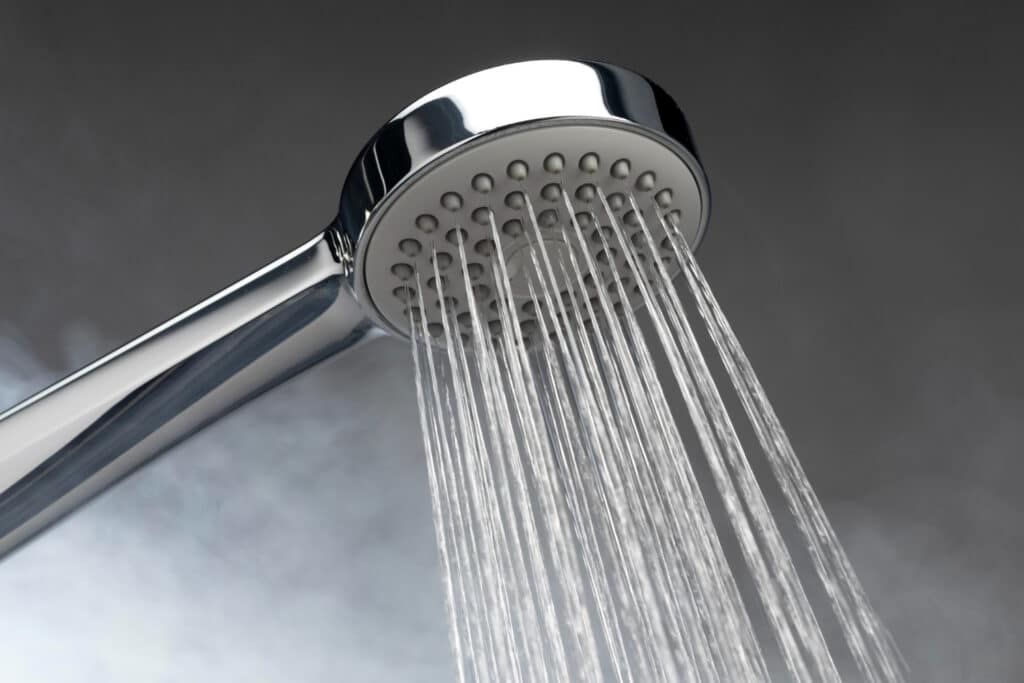
While drinking filtered water provides significant benefits, consider filtering all your water sources. Shower filters remove chlorine before it touches your skin and enters your lungs through steam. Kitchen filters ensure you cook with clean water that won’t concentrate contaminants in your food.
Whole-house filtration systems offer comprehensive protection. These systems treat water as it enters your home, ensuring every tap delivers clean water. Consequently, you reduce your total exposure to allergy triggers throughout your daily routine.
Making the Switch
Transitioning to filtered water doesn’t require complicated changes. Start by filtering your drinking water and gradually expand to other sources. Most people notice improvements within two to four weeks of consistent filtered water use.
Track your symptoms as you make the switch:
- Monitor morning congestion levels
- Note any changes in skin conditions
- Track allergy medication usage
- Observe energy levels and sleep quality
These observations help you understand how water quality affects your specific symptoms. Meanwhile, continue working with your doctor or allergist for comprehensive allergy management.
Complementary Allergy Strategies
Filtered water works best as part of a holistic approach to allergy management. Therefore, combine clean water with other proven strategies. Use HEPA air filters in your bedroom and living spaces. Wash bedding weekly in hot water to remove allergens.
Additionally, maintain consistent hydration throughout the day. Aim for eight glasses of filtered water daily, more if you exercise or live in dry climates. Proper hydration supports every system in your body, especially those fighting allergies.
Take Control of Your Water Quality Today
You deserve to breathe easier and feel better in your own home. Filtered water removes the hidden triggers that make allergies worse year-round. From chlorine to heavy metals, eliminating these contaminants gives your immune system the break it needs.
Don’t let poor water quality compromise your health and comfort any longer. The team at Repipe Solutions Inc understands how plumbing quality affects your water and your wellbeing. Whether you need new pipes, filtration system installation, or water quality consultation, professional help makes all the difference.
Contact Repipe Solutions Inc today to discuss your water quality concerns and explore solutions that fit your home and budget. Your path to cleaner water and fewer allergies starts with one simple call.